
The kitchen is often considered the heart of the home, a place not just for cooking, but for gathering, entertaining, and creating memories. When it comes to enhancing this vital space, kitchen remodeling can be a significant step. Whether you’re looking to increase functionality, improve aesthetics, or boost your home’s value, understanding the nuances of kitchen remodeling is essential.
Understanding Kitchen Remodeling
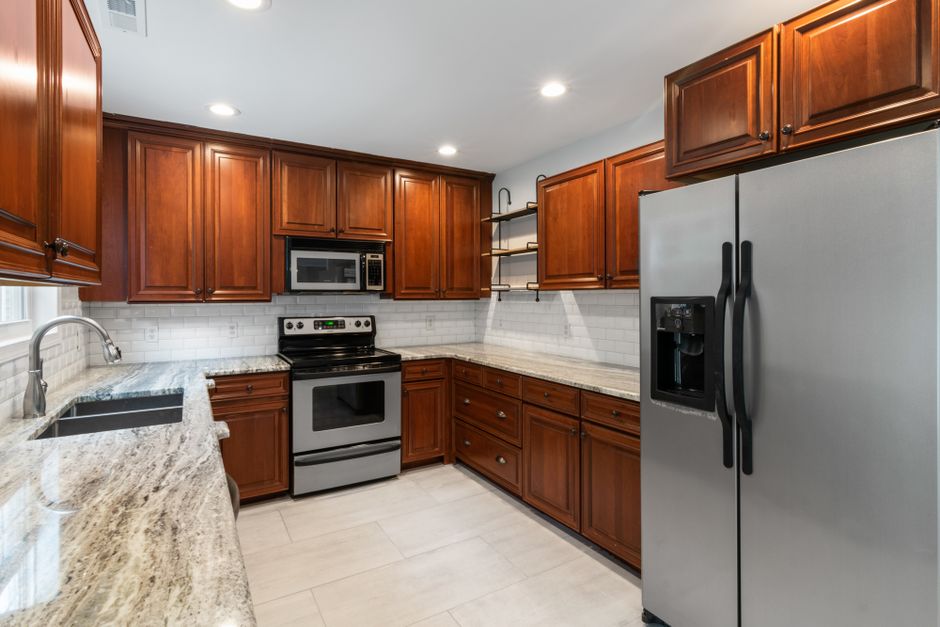
Kitchen remodeling encompasses a wide range of renovations and upgrades, from minor cosmetic changes to complete overhauls. Homeowners often start with a vision, motivated by the desire for a more modern look or improved layout. According to a report by the National Association of Realtors, a well-executed kitchen remodel can yield a return on investment (ROI) of up to 80%, making it one of the most rewarding home improvement projects.
Before diving into a remodel, it’s crucial to assess your current kitchen’s layout, functionality, and design. A common mistake many homeowners make is focusing solely on aesthetics while neglecting the practical aspects of the space. For instance, ensuring that the kitchen work triangle—comprising the stove, sink, and refrigerator—is efficient can drastically improve your cooking experience.
Setting a Budget
Budgeting is a vital part of any remodeling project. The average kitchen remodel costs between $12,000 and $34,000, depending on the extent of the renovation and the materials chosen. To avoid overspending, create a detailed budget that accounts for materials, labor, and a contingency fund for unexpected expenses.
Consider prioritizing your spending based on your needs. For example, if you love cooking, investing in high-quality appliances might be more beneficial than splurging on decorative elements. Additionally, exploring financing options or looking into DIY projects can help you stay within your budget while achieving your dream kitchen.
Choosing the Right Style
The style of your kitchen should reflect your personality and complement the overall aesthetic of your home. Popular styles include modern, traditional, farmhouse, and industrial, each offering unique features and benefits. For instance, modern kitchens often emphasize sleek lines and minimalism, while farmhouse kitchens might incorporate rustic elements like wood beams and vintage fixtures.
When selecting a style, consider how it fits with the existing architecture of your home. Cohesion is key; a modern kitchen in a Victorian home may feel out of place. To gather inspiration, many homeowners turn to design websites or social media platforms where they can explore various kitchen remodeling ideas.
Selecting Materials and Finishes
The materials and finishes you choose for your kitchen can significantly impact both its appearance and functionality. Countertops, cabinetry, flooring, and backsplashes are all critical elements that require careful consideration. For countertops, materials like granite, quartz, and butcher block are popular choices, each offering different aesthetics and durability.
Cabinetry is another area where homeowners can express their style. Opting for custom cabinets may increase your budget, but it allows for personalized storage solutions that can enhance the kitchen’s usability. Additionally, selecting the right flooring is crucial, as it needs to withstand spills and heavy foot traffic. Durable options like tile, vinyl, or hardwood are worth considering based on your lifestyle.
Planning the Layout
The layout of your kitchen plays a pivotal role in its overall efficiency. Open-concept layouts are trending, allowing for a seamless flow between the kitchen and living spaces. However, if you’re working with a smaller area, a galley or L-shaped kitchen might be more appropriate.
When planning your layout, think about how you use the kitchen on a daily basis. Do you often entertain guests? If so, creating an island with seating can encourage social interaction while cooking. Also, ensure there is enough space for movement and that appliances are positioned conveniently to make cooking an enjoyable experience.
Conclusion
Kitchen remodeling is an exciting journey that, when approached thoughtfully, can transform not only your kitchen but your entire home. By understanding the fundamentals of remodeling, setting a realistic budget, choosing the right style and materials, and planning an efficient layout, you can create a space that is both beautiful and functional. As you embark on this project, remember that every choice you make contributes to the heart of your home, where countless memories will be made.